Human Supply earns a commission when you buy through our links. We only feature products that pass our standard — the pick comes first, the link second.
If we had to pick the single ingredient we flag most often, it wouldn’t be dramatic-sounding. It’s one word: fragrance. It appears on candles, detergents, lotions, and “clean” everything — and it’s a legal loophole that lets a brand hide a long list of synthetic compounds behind a single term. Here’s why we screen for it, calmly and consistently.
What “fragrance” actually means on a label
Under longstanding labeling rules, “fragrance” (or “parfum”) is treated as a trade secret. A company can list dozens of individual synthetic chemicals — solvents, fixatives, the scent compounds themselves — under that one word, without disclosing any of them. So when you read “fragrance” on an ingredient list, the honest translation is: an undisclosed mixture we’re not telling you about.
That’s the whole objection. It isn’t that every fragrance compound is harmful — it’s that you can’t evaluate what you can’t see. Our standard is built on readable labels, and “fragrance” is the opposite of readable.
Where it hides
- Candles. “Fragrance” in the wax is the norm; essential-oil scenting is the exception. See our non-toxic candle picks.
- Laundry & cleaning. Detergents and softeners are among the heaviest fragrance users, and it ends up on everything you wear and sleep on.
- Personal care. Lotions, deodorants, and “unscented” products that actually use a masking fragrance to cover a base scent.
The clean swaps
The fix is simple: choose products scented with disclosed, naturally derived ingredients — or nothing at all.
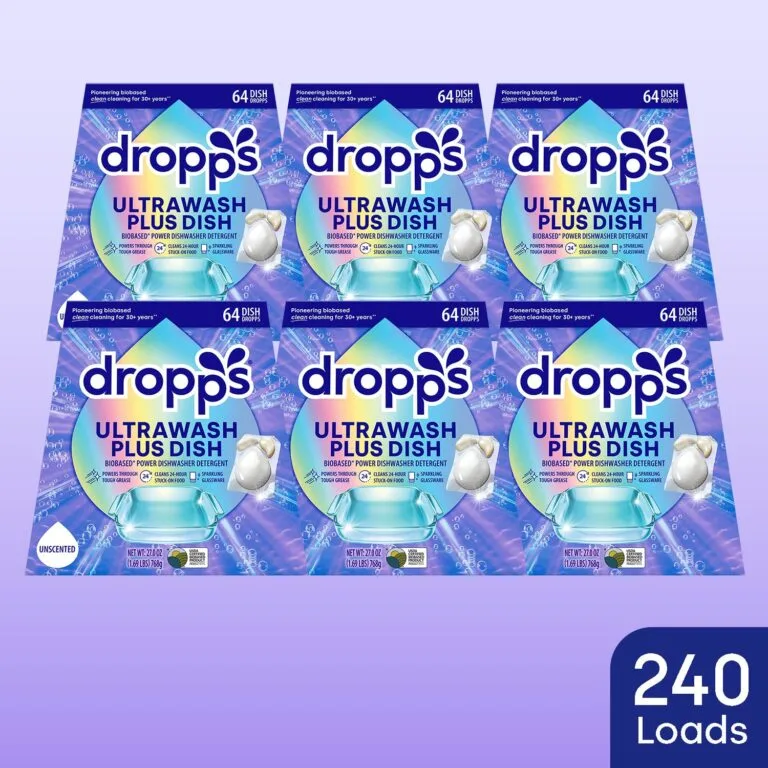
Dropps Dish + Hand Soap Pods
- No synthetic fragrance
- Plastic-free, cardboard-only packaging
- EWG-reviewed concentrated pods
Dish and hand cleaning with no synthetic fragrance, in plastic-free packaging.
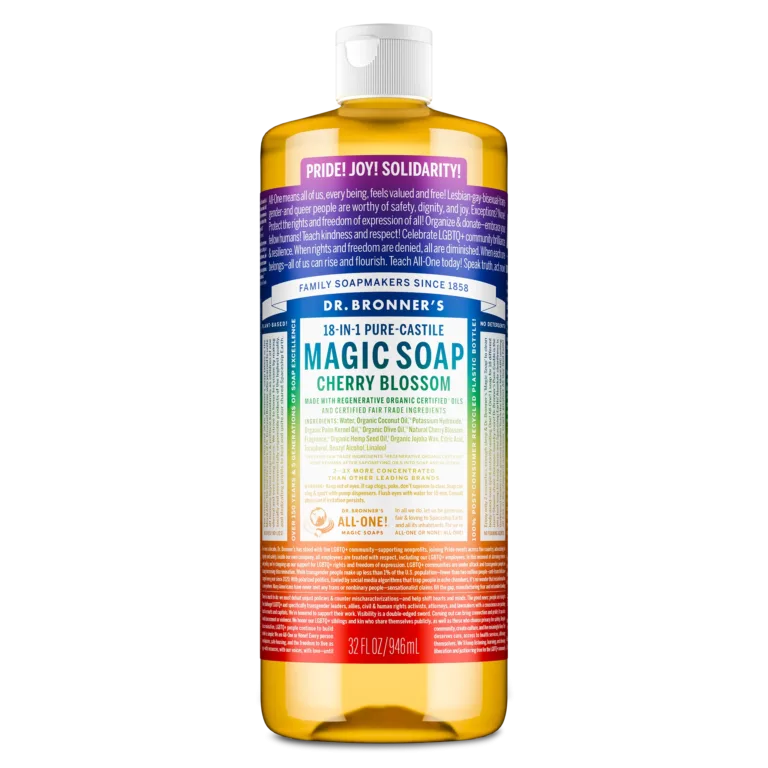
Dr. Bronner's Pure-Castile Liquid Soap
- Fair Trade organic ingredients
- Unscented — no synthetic fragrance
- Concentrated; one bottle, many uses
Dr. Bronner’s in the unscented version is about as transparent as a cleaning product gets — a short, fully disclosed ingredient list.
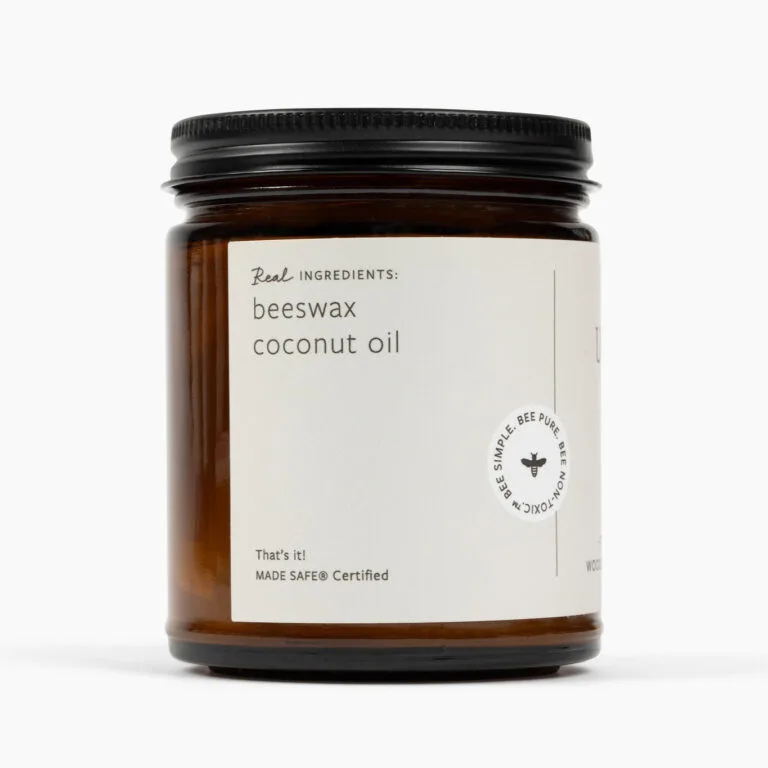
Fontana Candle Co. Wood Wick Beeswax Candle
- MADE SAFE certified
- Beeswax + coconut oil
- Crackling wood wick
And for scent that’s actually pleasant, a candle scented with essential oils tells you exactly what you’re smelling.
Browse the fragrance-free options across Clean and Candles.
How to screen for it yourself
- Search the ingredient list for “fragrance” or “parfum.” If it’s there with no further detail, that’s the flag.
- Be wary of “unscented.” It sometimes means a masking fragrance was added to neutralize a smell — look for “fragrance-free” and a clean list instead.
- Favor disclosed scent. “Scented with essential oils” and a named oil list is the transparent alternative.
Frequently asked questions
Is all synthetic fragrance harmful?
Not necessarily — the issue is disclosure. Because “fragrance” can legally hide dozens of undisclosed compounds, you can’t evaluate it. We screen for it as a transparency marker, not as a blanket claim that every fragrance is dangerous.
What’s the difference between “unscented” and “fragrance-free”?
“Fragrance-free” means no fragrance was added. “Unscented” can mean a masking fragrance was used to cover the product’s natural smell — so it may still contain fragrance compounds.
Are essential oils a safe alternative?
They’re the more transparent option because the inputs are disclosed and naturally derived. Some people are still sensitive to specific oils, so a fully unscented product is the safest choice if you react to scent.