Human Supply earns a commission when you buy through our links. We only feature products that pass our standard — the pick comes first, the link second.
Of every ingredient we screen, industrial seed oils show up in more places than almost any other — and they’re the one most people are surprised to find. This isn’t a fear piece. It’s a plain explanation of what we mean by “seed oils,” why we screen them out of food products, and what we stock instead.
What we mean by “seed oils”
We’re talking about the industrial, highly refined oils extracted from seeds: soybean, canola (rapeseed), corn, cottonseed, sunflower, safflower, and grapeseed. The objection isn’t the plant — it’s the processing. These oils are typically extracted with heat and chemical solvents like hexane, then bleached and deodorized to be shelf-stable and flavorless. That refining is why they’re cheap and why they’re in nearly everything.
Why we screen them out
Two reasons, and we’ll keep them measured:
- The processing. Heavy refining and solvent extraction are the opposite of the minimally processed standard we hold food to. A cold-pressed oil and a hexane-extracted one are not the same product.
- The volume. Because they’re so cheap, seed oils have quietly become the dominant fat in the packaged-food supply — in chips, dressings, sauces, “healthy” snacks, and restaurant fryers. Our role is to surface the products that opted out.
We’re not making medical claims. We screen seed oils out of food the same way we screen out synthetic fragrance from a candle: it’s a marker of how seriously a brand took its ingredients.
What we use instead
The clean swaps are simple, stable fats that don’t need solvent refining:
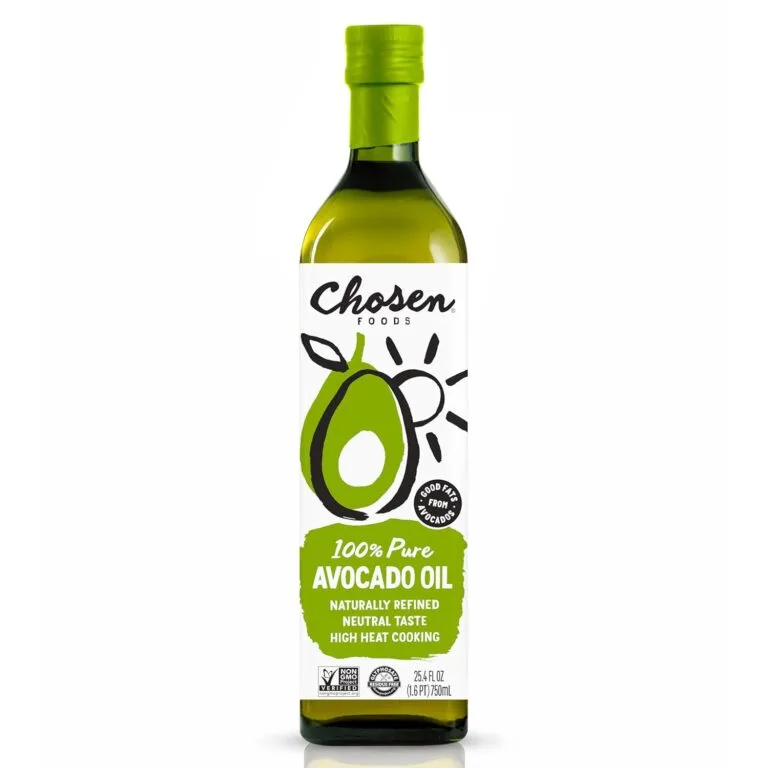
Chosen Foods 100% Pure Avocado Oil
- Verified in independent purity testing
- Single-ingredient, transparent sourcing
- High smoke point for high-heat cooking
Avocado oil with a high smoke point for everyday high-heat cooking — the category has a real fraud problem, so we stick to brands that test well for purity.
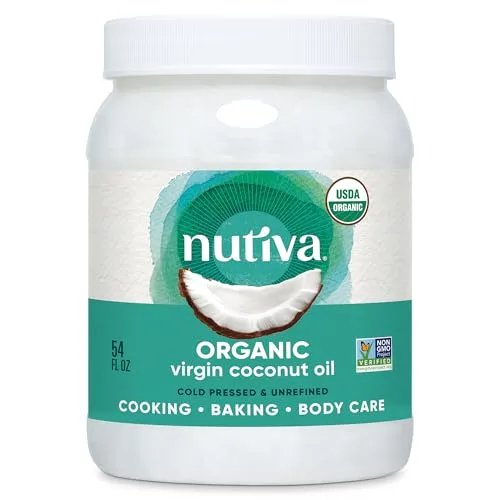
Nutiva Organic Virgin Coconut Oil
- Cold-pressed, unrefined
- Single ingredient
- Non-GMO and organic
Cold-pressed, unrefined coconut oil — a single-ingredient fat that holds up to heat without chemical extraction.
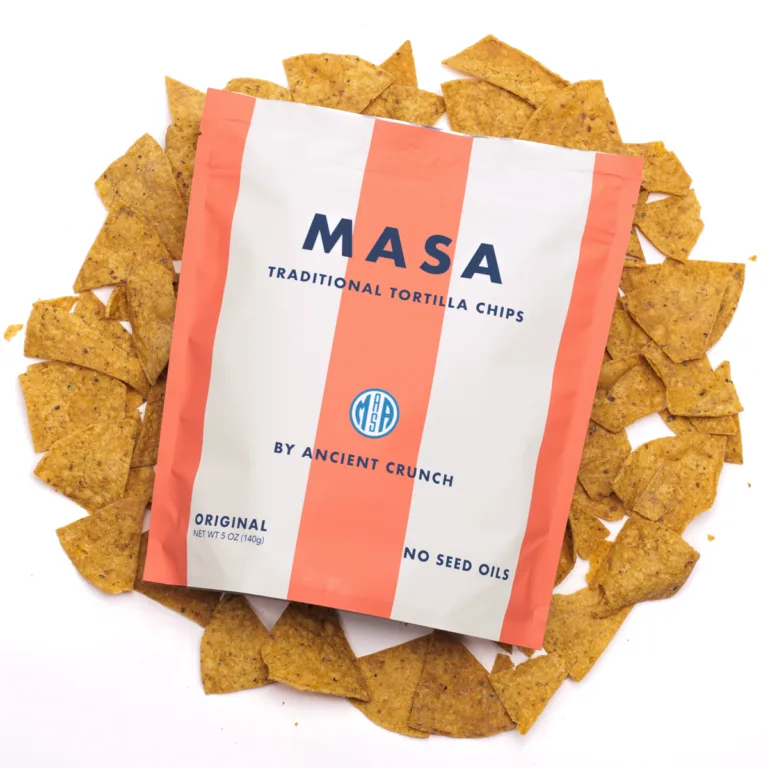
Masa Beef Tallow Tortilla Chips
- Cooked in beef tallow
- No seed oils
- Three ingredients
And where snacks are concerned, it’s about the frying oil. Masa fries its tortilla chips in beef tallow instead of seed oil — three ingredients, no canola.
Browse the full Food & Pantry shelf, where every item has cleared this screen.
How to spot them on a label
- Read the oil line, not the front of the box. “Made with avocado oil” on the front often means “…and sunflower oil” in the ingredients.
- Watch the catch-all phrasing. “Vegetable oil” almost always means soybean or canola.
- Default to single-ingredient fats. Extra-virgin olive oil, avocado oil, coconut oil, butter, ghee, and tallow tell you exactly what you’re getting.
Frequently asked questions
Which oils count as “seed oils”?
The industrially refined ones: soybean, canola/rapeseed, corn, cottonseed, sunflower, safflower, and grapeseed. Olive, avocado, and coconut oils are fruit- or nut-derived and minimally processed, so they aren’t in this group.
Is sunflower oil a seed oil?
Yes. Sunflower and safflower oils are commonly used in “better-for-you” snacks but are still highly refined seed oils, which is why we screen for them specifically.
What should I cook with instead?
For high heat, avocado oil, ghee, tallow, or refined coconut oil; for finishing, extra-virgin olive oil. All are stable, minimally processed fats.