Human Supply earns a commission when you buy through our links. We only feature products that pass our standard — the pick comes first, the link second.
Reverse osmosis is the most thorough filtration a home kitchen can run — it’s the tier that actually addresses PFAS, lead, and fluoride, not just chlorine and taste. The catch is that the category is full of systems making big claims with nothing behind them. We screened countertop RO for one thing first: independent certification. Three passed.
The quick list
| System | Type | Install | Best for |
|---|---|---|---|
| AquaTru | 4-stage RO | Countertop, none | Most people |
| Bluevua RO100ROPOT | RO + remineralization | Countertop, none | Want minerals back in |
| Big Berkey | Gravity (non-RO) | Countertop, none | Off-grid / no electricity |
AquaTru — the one to start with
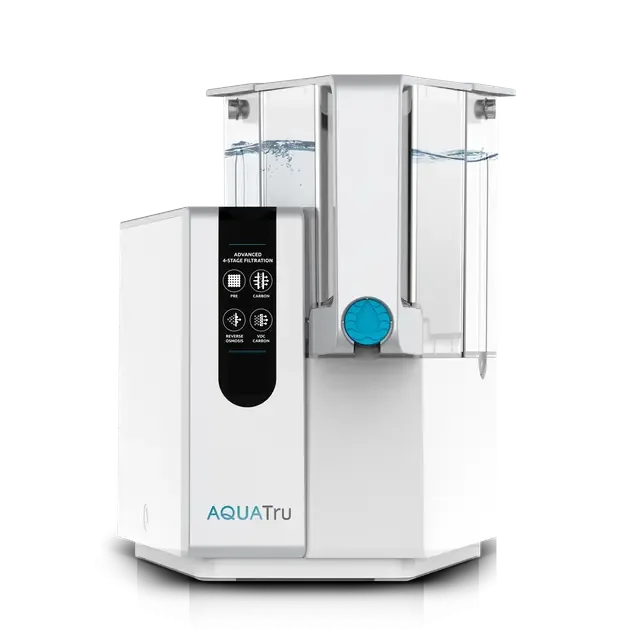
AquaTru Countertop Reverse Osmosis Water Filtration System
- Reverse osmosis — no plumbing
- Countertop, works day one
- Removes a broad contaminant range
AquaTru is the system we point most people to first, and it comes down to certification: its performance is certified by IAPMO to NSF/ANSI standards across multiple contaminant categories, rather than self-reported. It runs four stages of filtration around an RO membrane, needs no plumbing, and collects water in a BPA-free carafe. We gave it the full review treatment here.
Who it’s for: renters and homeowners who want true, certified RO without an under-sink install.
Bluevua RO100ROPOT — RO that puts minerals back
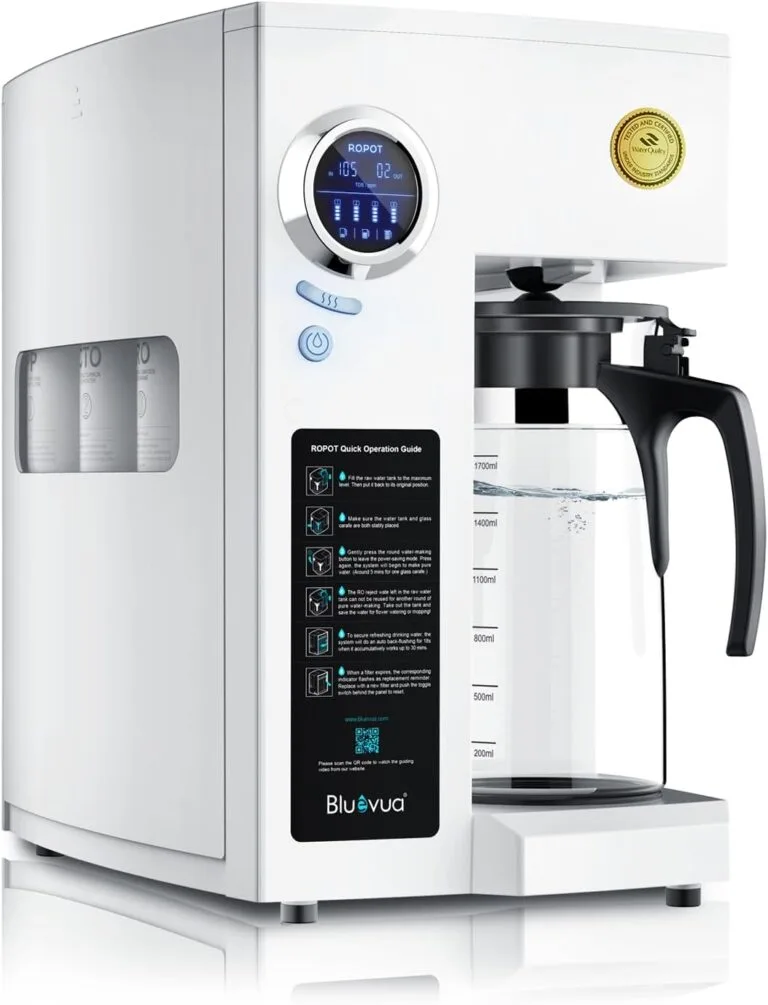
Bluevua RO100ROPOT Countertop Reverse Osmosis Filter
- 6-stage reverse osmosis
- Built-in remineralization
- No plumbing required
The standard knock on reverse osmosis is that it strips beneficial minerals along with the bad stuff. Bluevua answers that directly: its six-stage system includes a remineralization stage, so the water comes out with minerals already added back. It’s the countertop RO we reach for when someone doesn’t want to manage a separate mineral step.
Who it’s for: anyone who wants RO purity but cares about taste and minerals and doesn’t want to dose them manually.
Big Berkey — the no-electricity option
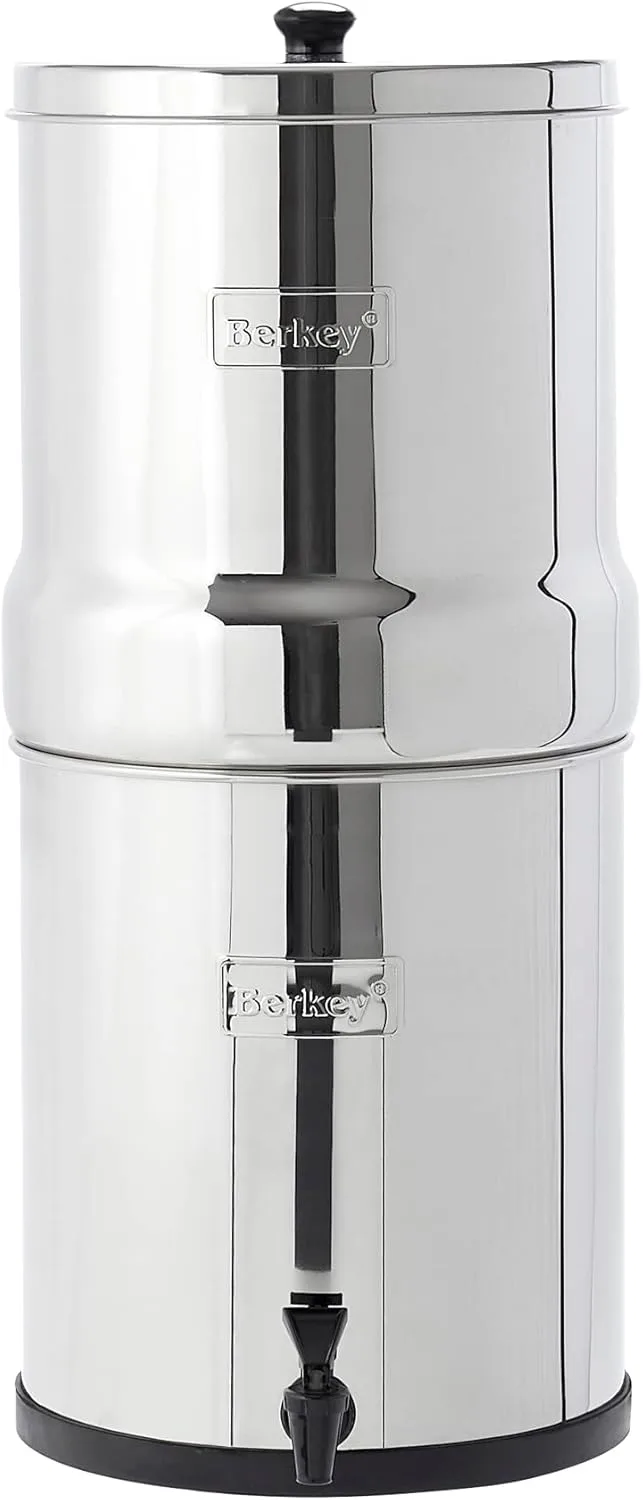
Berkey Big Berkey Gravity Water Filter
- Stainless steel — no plastic contact
- Gravity-fed, no power needed
- Works without plumbing
The Berkey isn’t reverse osmosis — it’s gravity-fed — but it earns a place for a specific reason: it needs no power, no plumbing, and no pressure. Two stainless-steel chambers, water filters down through the elements by gravity alone. For off-grid use, emergencies, or anyone who simply doesn’t want plastic touching their water, it’s the standout.
Who it’s for: off-grid households, preppers, and anyone who values a stainless, electricity-free system over maximum contaminant removal.
What didn’t make the cut
Most pitcher filters, for one. A standard carbon pitcher improves taste and reduces chlorine, but it isn’t in the same conversation as RO for lead, PFAS, or fluoride — and many imply otherwise. The other disqualifier is the certification gap: plenty of countertop systems claim to “remove up to 99% of contaminants” with no independent testing to back the number. If a system can’t point to NSF/ANSI certification through a body like IAPMO or WQA, we treat the claim as marketing.
How to choose
- Look for independent certification first. NSF/ANSI standards (42, 53, 58, 401) certified by IAPMO or WQA — not a self-reported lab result.
- Match the install to your home. Countertop for renters; under-sink if you want it hidden and plumbed in.
- Decide on minerals. Straight RO plus a remineralizing step, or a system that does it for you.
- Check the materials. BPA-free or stainless on every surface the clean water touches.
See the full Water shelf for shower and whole-home options too.
Frequently asked questions
Is countertop reverse osmosis as good as an under-sink system?
The filtration is the same technology and quality — the difference is convenience and capacity. Countertop units need no installation and suit renters; under-sink units hide away and refill on demand for higher-volume households.
Does reverse osmosis remove PFAS?
Yes. RO is one of the few consumer methods genuinely effective against PFAS (“forever chemicals”), along with lead, chromium, and fluoride. A certified system is the way to be sure the claim holds.
Do I need to add minerals back to RO water?
It’s optional. Some people prefer the taste of remineralized water and add a pinch of mineral salt or trace-mineral drops; others choose a system with a built-in remineralization stage.